Where to recycle furniture in Hounslow and donate items
Posted on 22/10/2026
Where to recycle furniture in Hounslow and donate items: a practical local guide
If you are staring at an old sofa, a heavy wardrobe, or a dining table that has finally given up, you are probably asking the same thing many Hounslow residents ask: where to recycle furniture in Hounslow and donate items without making a mess of it? The short answer is that there are several sensible routes, but the right one depends on condition, size, timing, and whether you want to reuse, donate, or recycle. This guide walks you through the options in plain English, so you can make a good decision without faffing about.
Furniture disposal sounds simple until you are lifting a scratched chest of drawers down three flights of stairs, or trying to decide whether that sofa is still donation-worthy after one unfortunate cup of tea. Truth be told, the best choice is not always obvious. Below, you will find the practical steps, local considerations, compliance points, and a few real-world tips that make the process much easier.
For a broader look at local disposal services, you may also find the services overview helpful when you are comparing your options.
Why Where to recycle furniture in Hounslow and donate items Matters
Furniture is bulky, awkward, and often expensive to move. That alone makes the decision worth getting right. If you send usable furniture to waste unnecessarily, you add to landfill pressure and miss the chance to help someone else use it. On the other hand, if you donate something that is not suitable, it can create an extra burden for the receiving charity or reuse organisation. So this is not just about getting rid of things. It is about matching the item to the right route.
In a place like Hounslow, where many homes are flats, maisonettes, or shared properties, the logistics matter too. Narrow hallways, limited parking, controlled access, and time windows can all turn a simple clear-out into a small project. That is why people often search for furniture recycling, donation services, and responsible collection options at the same time.
There is also the practical side. A tired chair may still be suitable for refurbishment, while a broken or unsafe item may be better routed for material recovery. Wood, metal, textiles, foam, and mixed materials each behave differently once they leave your home. The better you sort things at the start, the better the outcome usually is. Simple, but easy to overlook.
If you are planning a larger clear-out, it may help to read about house clearance in Hounslow as part of your wider plan, especially if furniture is only one part of the job.
How Where to recycle furniture in Hounslow and donate items Works
The process usually comes down to three choices: reuse, donate, or recycle. Reuse means the item still has useful life left and can be passed on as-is or with minor cleaning. Donation is similar, but it usually means the item meets the receiving organisation's condition rules. Recycling is the final route when the item cannot be reused but its materials can still be recovered.
Here is the practical flow most people follow:
- Assess the condition. Check for structural damage, stains, water damage, mould, or broken parts.
- Measure and photograph it. This helps if you are arranging collection or asking a charity whether they will accept it.
- Decide on the route. Good condition? Think donation. Damaged but recyclable? Think specialist furniture recycling. Unsafe or contaminated? Disposal may be the only option.
- Prepare the item. Remove cushions, empty drawers, detach legs if possible, and clear personal items.
- Arrange collection or drop-off. Some items are easier to collect, while others may be better handled through a direct drop-off or a booked removal.
The important bit is not to treat every piece of furniture the same. A solid pine chest of drawers and a sagging sofa are not in the same category, even if they have both been in your home for years. One might be a donation candidate; the other may only be suitable for recycling into materials.
If the furniture is part of a larger mixed load, a specialist service can help you separate what can be reused from what needs to be taken away. For mixed household clear-outs, you might also compare options with domestic waste collection in Hounslow or furniture removal in Hounslow, depending on how much you need shifting.
Key Benefits and Practical Advantages
The biggest benefit is obvious: you clear space. But there is more to it than that. A well-handled furniture removal can reduce stress, cut waste, and save you from making multiple trips in a borrowed car or van. Anyone who has tried to wrestle a three-seater sofa through a stairwell on a rainy evening will understand the appeal of a smoother route.
Here are the main advantages in practical terms:
- Less waste. Furniture with life left in it can be reused instead of discarded.
- Better value. Donation or reuse may reduce disposal costs, depending on the item and service used.
- Time saved. One organised collection is usually easier than several separate journeys.
- Cleaner homes. Clearing bulky items can instantly improve the feel of a room.
- Social benefit. Donated furniture can support local households, community projects, or resale for charitable causes.
- Safer handling. Heavy or awkward items are less likely to damage walls, floors, or your back when handled properly.
There is a quieter benefit too: peace of mind. Once the right route is chosen, the decision is off your plate. No more wondering whether that old wardrobe should have gone somewhere else. That mental relief is worth a fair bit.
Who This Is For and When It Makes Sense
This topic is relevant to a lot of people, and not just those doing a full house clear-out. If you are moving, renovating, replacing furniture, or dealing with an estate, the question comes up quickly. So does it if you are a landlord between tenancies, a letting agent preparing a property, or a small business replacing office desks and chairs.
It also makes sense if:
- you have one or two bulky items that are too large for normal bin collection;
- you want to keep usable goods in circulation;
- you are trying to avoid unnecessary landfill use;
- you need a fast, tidy solution before a move-out deadline;
- you have items that are damaged but not completely beyond recovery;
- you are clearing a flat, loft, garage, or storage unit and need practical support.
A common scenario in Hounslow is a tenant leaving a property with furniture that no longer fits the next chapter of life. A sofa may be in decent shape, but the dining set is too worn to donate. In that kind of mixed situation, the best answer is often a split approach rather than trying to force everything into one category.
And yes, sometimes the "good enough" sofa has been quietly surviving on sheer momentum. We have all seen one.
Step-by-Step Guidance
If you want a clean, efficient result, follow a simple process. It is less glamorous than the internet makes it sound, but it works.
1. Sort the furniture by condition
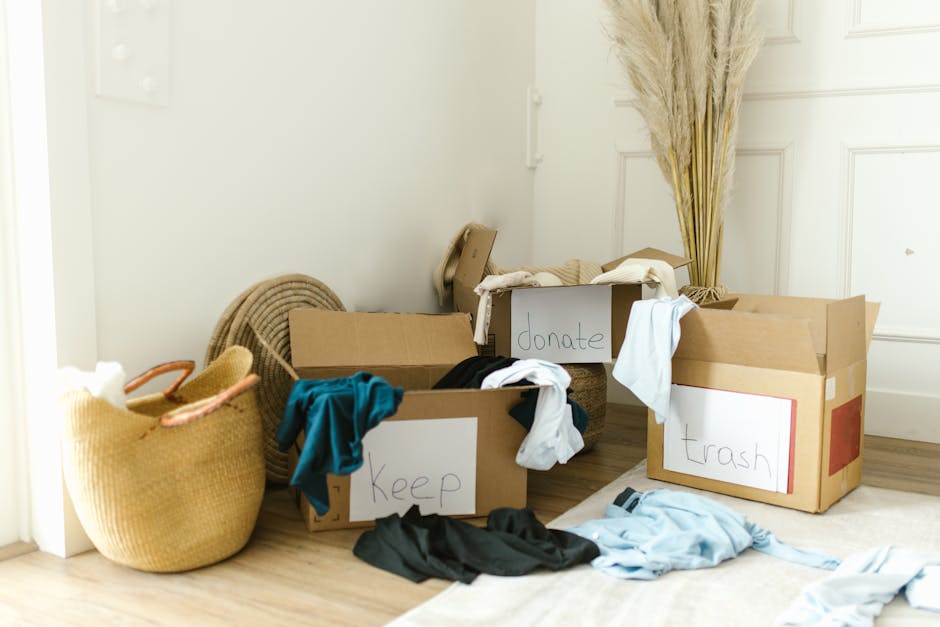
Start by separating items into three piles: reusable, recyclable, and unsalvageable. Reusable furniture should be clean, stable, and free from major damage. Recyclable items may be broken or dated, but they still contain recoverable materials. Unsalvageable items are those with serious contamination, severe structural failure, or anything that cannot be handled safely.
2. Check what can be donated
Donation usually works best for items that are clean, complete, and safe to use. Think of a table with solid legs, a wardrobe with working doors, or a chair that still supports weight properly. If the item smells strongly of damp, has visible mould, or is badly stained, donation may not be appropriate. Better to be honest at this stage than waste everybody's time later.
3. Measure access points
This is the bit people forget until the last minute. Measure doorways, stair bends, lifts, and hallways. A sofa that looked perfectly manageable in the living room can become stubbornly impossible at the front door. If you are arranging a collection, access details matter more than you might think.
4. Take clear photos
Good photos help with quick decisions. Take one full view, one close-up of any damage, and one showing scale. If you are asking whether a charity or reuse organisation will accept it, useful photos can save time on both sides.
5. Choose the right service or destination
Once you know what you have, decide whether it should be donated, collected for recycling, or removed as part of a broader clearance. For larger loads, a service that handles mixed furniture and household items can be the most practical route. If you are dealing with extra waste from a refurb or move, house clearance support may be the simplest answer.
6. Prepare the item for removal
Clear drawers, remove loose parts, tape down any flapping fabric, and separate accessories where possible. If an item has sharp edges or loose glass, take extra care. Small preparation steps make the collection feel calmer and faster. Not exciting, but worth it.
7. Confirm what happens next
Before anything leaves your property, make sure you know whether it is being reused, recycled, or disposed of. Good operators should be clear about their process. That transparency matters, especially if sustainability is one of your priorities.
Expert Tips for Better Results
Over time, one thing becomes clear: the people who get the smoothest result are the ones who prepare a little. Not obsessively. Just enough.
- Keep matching items together. Put chair sets, table pieces, and modular furniture parts in one place so nothing goes missing.
- Clean lightly before donation. A quick wipe-down and a vacuum can make an item much more acceptable.
- Remove personal belongings early. Drawers, seats, and hidden compartments always hide something odd.
- Be realistic about condition. If an item is squeaky, split, or badly marked, it may not be suitable for donation even if you are fond of it.
- Ask about access and lifting. This matters in flats, basement units, and converted homes across Hounslow.
- Bundle your waste sensibly. If you have other household items or general waste, grouping them can save time, but only if the service can handle the mix properly.
A useful rule of thumb: if you would be happy to receive the item from someone else, it is usually in the right zone for donation. If not, recycling may be the better path. If it is somewhere in the grey middle, a quick assessment by a removal specialist can save you from guessing.
For pricing context, it may also help to review the pricing and quotes page before you book anything, especially if you are comparing disposal methods side by side.
Common Mistakes to Avoid
Most furniture disposal headaches come from a few predictable mistakes. The good news is that they are easy to avoid once you know what to look for.
- Assuming all old furniture can be donated. Age alone is not the issue. Condition is what matters.
- Forgetting to measure access. This leads to blocked hallways, awkward lifting, and delays.
- Not separating reusable from non-reusable items. A little sorting can make the whole process smoother.
- Leaving booking too late. Deadlines have a habit of arriving quicker than expected. Funny how that works.
- Ignoring safety risks. Heavy furniture, broken glass, sharp fixings, and unstable shelving can all cause injury.
- Using an unsuitable disposal route. Some items need specialist handling, especially if they contain mixed materials or are too large for ordinary collection.
Another common issue is assuming the cheapest option is always the best. Sometimes it is. Sometimes it creates more hassle, more trips, or a poor outcome for the furniture itself. A slightly more organised route can be better value overall. That is especially true if you are clearing more than one item.
Tools, Resources and Recommendations
You do not need fancy equipment, but a few basic tools make a big difference. A tape measure, dust cloth, work gloves, strong bin bags, and a phone camera are usually enough for most households. If you are dismantling furniture, a screwdriver set, Allen keys, and a little patience help too. Patience is not a tool, strictly speaking, but it earns its place.
For larger or heavier pieces, furniture sliders or a trolley can reduce the risk of floor damage and back strain. If you are working in a tight flat or upstairs room, a second pair of hands is often worth more than any gadget. Let's face it, wardrobes are not known for cooperating.
If you want a broader overview of responsible disposal practices, take a look at recycling and sustainability. It is a helpful way to understand how furniture can fit into a wider waste reduction approach. For upholstered or mixed household items, the page on white goods and appliance disposal in Hounslow can also be useful if your clear-out includes more than furniture.
Law, Compliance, Standards, or Best Practice
When dealing with waste and reuse in the UK, the safest approach is to follow responsible handling practices and use services that are clear about what happens to your items. Furniture is not just "stuff to throw away"; depending on the item, it may contain materials that need proper treatment, and any carrier should be able to explain their process in plain language.
As a customer, it is sensible to look for evidence that the service is operating responsibly. That includes clear information about collection methods, safety, and disposal standards. If you are hiring someone to remove furniture, you should expect them to take care around access, avoid unnecessary damage, and be transparent about how items are handled. If a service talks clearly about compliance and licensing, that is usually a good sign.
You can also review the company's own guidance on waste carrier licence and compliance and insurance and safety if you want reassurance before booking. Those details matter, particularly for larger removals, stair access, or mixed loads.
Best practice is simple: use a service that handles items safely, communicates clearly, and treats reuse and recycling as genuine goals rather than afterthoughts. That is especially important in busy urban areas where timing, access, and property management can complicate things quickly.
Options, Methods, or Comparison Table
If you are weighing up what to do with furniture in Hounslow, this quick comparison can help. No one route suits every item, and that is fine. The trick is choosing the one that fits the condition and your deadline.
| Option | Best for | Pros | Trade-offs |
|---|---|---|---|
| Donation | Clean, safe, reusable furniture | Supports reuse, may help others, reduces waste | Condition rules can be strict, not every item qualifies |
| Recycling | Damaged or end-of-life furniture with recoverable materials | Better than landfill, can recover wood, metal, and other materials | Not all furniture is easy to recycle because of mixed materials |
| Specialist removal | Bulky, heavy, or mixed furniture loads | Convenient, saves lifting, works well for flats and larger clear-outs | Usually less hands-on than donation-only routes |
| Self-delivery | People with transport and time | Flexible, can be cost-conscious if you have a van | Requires lifting, loading, and access to transport |
In practice, most households end up using a combination. A bedside cabinet may be donated, a damaged sofa may be recycled, and a broken chair frame may be removed as part of a larger collection. That mixed approach often feels the most realistic, and honestly, the least stressful.
Case Study or Real-World Example
Here is a common Hounslow-style scenario. A family is moving out of a first-floor flat near a busy road. They have a three-seat sofa, a small dining table, two chairs, and an old wardrobe. The sofa is clean but worn at the arms. The table is solid. One chair has a loose leg, and the wardrobe has a broken hinge.
Rather than trying to treat everything the same, they sort the items first. The table and one of the chairs are still usable after a quick tighten-up, so those are candidates for donation. The sofa, while not glamorous, is structurally sound and can likely be routed into reuse or recycling depending on the receiving organisation's rules. The wardrobe is too damaged to keep as furniture, but parts of it may still be recoverable through recycling. The result is a split solution that keeps usable items in circulation and removes the rest without drama.
What made that work? Planning. A quick measurement of the stairwell. Clear photos. A realistic view of condition. Nothing magical. Just a little care and an understanding that not every item deserves the same treatment.
When a clear-out is time-sensitive, this kind of structured approach can be the difference between a rushed scramble and a surprisingly calm morning, even if the kettle is working overtime in the background.
Practical Checklist
Use this checklist before you book removal or decide on donation:
- Have I checked the item for damage, mould, stains, or structural problems?
- Is it clean enough to donate, or is recycling more realistic?
- Have I measured doorways, stair turns, and lift access?
- Have I emptied drawers and compartments?
- Have I taken photos for reference?
- Do I know whether I need collection, drop-off, or a larger clearance service?
- Have I separated reusable items from broken ones?
- Have I checked whether the service can handle mixed furniture and other waste?
- Am I clear on the access instructions for the property?
- Have I chosen a responsible route that matches the item's condition?
That may look like a lot, but in reality it takes only a few minutes and saves hours later. A small bit of prep goes a long way.
Conclusion
Choosing where to recycle furniture in Hounslow and donate items is really about making a sensible match between the item, the destination, and your own timeline. Good furniture deserves a second life when possible. Damaged pieces should still be handled responsibly. And if the load is awkward, heavy, or mixed, there is no shame in choosing a professional route that keeps things simple.
The best results usually come from three things: honest assessment, a little preparation, and a clear idea of what you want to achieve. Once you have those in place, the rest tends to fall into line. It is not glamorous work, but it is satisfying when the room is clear and the decision feels right.
Get a free quote today and see how much you can save.
And if you are still looking at that old sofa by the door, do not worry. You are closer to sorting it than you think.