Rubbish clearance Hounslow High Street guide for residents
Posted on 01/05/2026
If you live near Hounslow High Street, rubbish has a way of building up faster than you expect. One bag becomes three, a broken chair waits by the hallway for "later", and suddenly the spare room starts looking like a storage unit nobody asked for. This Rubbish clearance Hounslow High Street guide for residents is here to make the process feel clearer, calmer, and a lot less faffy.
Whether you are clearing a flat above a shop, sorting a family home, dealing with post-renovation debris, or just getting on top of day-to-day household waste, the right approach can save time and stress. The goal is simple: help you choose a sensible clearance method, avoid common mistakes, and understand what to expect from a professional service in a busy part of west London.
For residents who want a quick overview of available services, the services overview is a useful place to start. If you already know you need a quote, the page on pricing and quotes explains how estimates are usually handled.

Why Rubbish clearance Hounslow High Street guide for residents Matters
Hounslow High Street is busy, lived-in, and always moving. That is part of its character, but it also means rubbish can become a real nuisance quickly. Overflowing bags, old furniture, broken appliances, and renovation waste are not just unsightly. They can block hallways, attract pests, create trip hazards, and make a home feel oddly heavy. You know the feeling: one afternoon of sorting turns into a weekend you didn't plan for.
This guide matters because residents need practical answers, not vague advice. If you are comparing clearance options, trying to work out what can be removed, or wondering whether a company is legitimate, a little clarity goes a long way. That is especially true in a dense residential area where access, parking, lifting, and timing all affect how smooth the job will be.
There is also a trust angle here. A good clearance service should be transparent about what it collects, where waste goes, how it handles recycling, and whether it is properly licensed. If you want to understand how a responsible operator approaches those issues, the page on waste carrier licence and compliance is worth reading alongside this guide.
Expert summary: For High Street residents, rubbish clearance works best when it is planned around access, item type, compliance, and the realistic amount of lifting involved. The "cheapest" option is not always the easiest, and the easiest option is not always the best fit. To be fair, that is where most mistakes start.
How Rubbish clearance Hounslow High Street guide for residents Works
In simple terms, rubbish clearance is the removal of unwanted items from a property, often with sorting, lifting, loading, transport, and disposal handled by a team. For a High Street property, the practical process is usually shaped by the building type. A ground-floor flat is very different from a top-floor maisonette with narrow stairs, and both are different again from a shopfront or mixed-use building.
Most residents follow a similar path:
- Identify what needs clearing. That could be general household waste, bulky furniture, builders' debris, old appliances, or garden cuttings.
- Check access. Think about stairs, lifts, parking, time restrictions, and whether items need to be carried through communal spaces.
- Request a quote. Good providers will usually ask for photos, item lists, or a rough description of volume.
- Book a convenient slot. Short-notice same-day jobs are sometimes possible, but not always. Busy streets can complicate timing.
- Clear and load. The crew removes items, separating reusable or recyclable materials where appropriate.
- Dispose responsibly. Reputable services transport waste to approved facilities, with recycling taken into account where possible.
The exact process depends on the type of waste. For example, a few bags and a broken table can be handled quite quickly. A full flat clearance after a move-out is more involved. If you need a broader picture of service categories, take a look at domestic waste collection in Hounslow or, for larger property jobs, house clearance in Hounslow.
Key Benefits and Practical Advantages
The obvious benefit is convenience. You do not have to hire a van, find helpers, queue at a recycling facility, or spend half the day wondering if a bulky item will even fit in the car. But the real value goes further than that.
- Less disruption: A professional team can often clear items faster than a DIY trip across town.
- Reduced physical strain: Heavy lifting is no joke, especially with awkward furniture or white goods.
- Better sorting: Reputable providers usually separate recyclables, reusable items, and general waste more carefully.
- Cleaner living space: Clear spaces are easier to clean, rent out, sell, or enjoy.
- Local practicality: High Street properties can be awkward to access, so an experienced team is often the difference between a smooth day and a frustrating one.
There is also a mental benefit. A cluttered home has a way of quietly draining energy. Once the unwanted items are gone, rooms suddenly feel bigger, lighter, and easier to use. It sounds dramatic, maybe, but anyone who has cleared a packed hallway on a wet Tuesday evening knows exactly what that feels like.
If sustainability matters to you, look for companies that explain their recycling approach clearly. The recycling and sustainability page is a useful reference point for what responsible disposal should look like in practice.
Who This Is For and When It Makes Sense
This guide is useful for a wide range of residents and property users around Hounslow High Street. The common thread is simple: you have waste that is too much, too bulky, too awkward, or too urgent to manage easily on your own.
Typical situations include:
- tenants moving out and needing to leave a property clear and tidy
- homeowners dealing with accumulated clutter, broken furniture, or old appliances
- families renovating a room or clearing a loft, garage, or spare bedroom
- landlords preparing for new occupants between tenancies
- people handling an estate or family property with lots of mixed contents
- small business owners with premises near the High Street needing commercial clearance support
If you are in the middle of a move, clearance often becomes part of the same headache. In that case, the article on preparing your house for an international relocation may help with the bigger picture, especially if you are sorting what to keep and what to let go.
It also makes sense to use a clearance service when the task is awkward rather than huge. A single fridge, an old sofa bed, or a pile of builders' rubble can be more trouble than they look. One item, yes, but a stubborn one. And stubborn items are exactly the sort that sit there for weeks if nobody takes charge.
Step-by-Step Guidance
If you want the simplest possible route, use this process. It works well for most High Street residents, whether you are clearing one room or an entire property.
- Walk through the space. Make a quick list of what needs to go. Be realistic. That cupboard you have ignored for two years probably counts too.
- Separate by category. Group furniture, electricals, general waste, garden cuttings, and builders' waste if possible. This makes quoting easier and can help with recycling.
- Take a few clear photos. Good images reduce guesswork and help the provider understand the volume and access conditions.
- Ask the right questions. What is included? Is loading covered? Are there extra fees for stairs, heavy items, or difficult access?
- Confirm timing and access. On a busy road, this matters a lot. Parking arrangements, arrival windows, and building entry details should be clear.
- Prepare the items. If you can safely move light items into one place, that helps speed things up. Do not injure yourself trying to be heroic.
- Check the final handover. Make sure the major items are gone and that the area is left tidy.
For heavier or more specialised items, you may need a targeted service. A broken washing machine is not the same as a stack of old wardrobes. If you are dealing with appliances, see white goods and appliance disposal in Hounslow. For unwanted sofas, cabinets, or beds, furniture removal can be the more suitable fit.
Expert Tips for Better Results
Here is the part people often skip, and then regret later. A good clearance job is not just about removing rubbish; it is about making sure the job is planned well enough that there are no awkward surprises on the day.
- Photograph everything in daylight. Evening photos can hide volume and make items look smaller than they are. It happens all the time.
- Be honest about access. If there are three flights of stairs, a tight stairwell, or no parking nearby, say so early.
- Keep hazardous items separate. Paint, chemicals, asbestos-containing materials, and certain batteries may need specialist handling.
- Ask about recycling. A thoughtful provider should be able to explain what happens to reusable or recyclable items.
- Use clear labels for mixed loads. This is especially useful for landlords, letting agents, and busy households with several people sorting at once.
One practical tip that saves time: clear a path before the team arrives. It sounds obvious, but a hallway full of shopping bags, shoes, prams, and a rogue umbrella stand can add ten minutes here and there. Ten minutes becomes half an hour. Then someone is holding a mattress at the door while another person is trying to find the keys. Not ideal.
If you want to understand how the business handles trust, safety, and proper working practice, it is sensible to read the insurance and safety information before booking.
Common Mistakes to Avoid
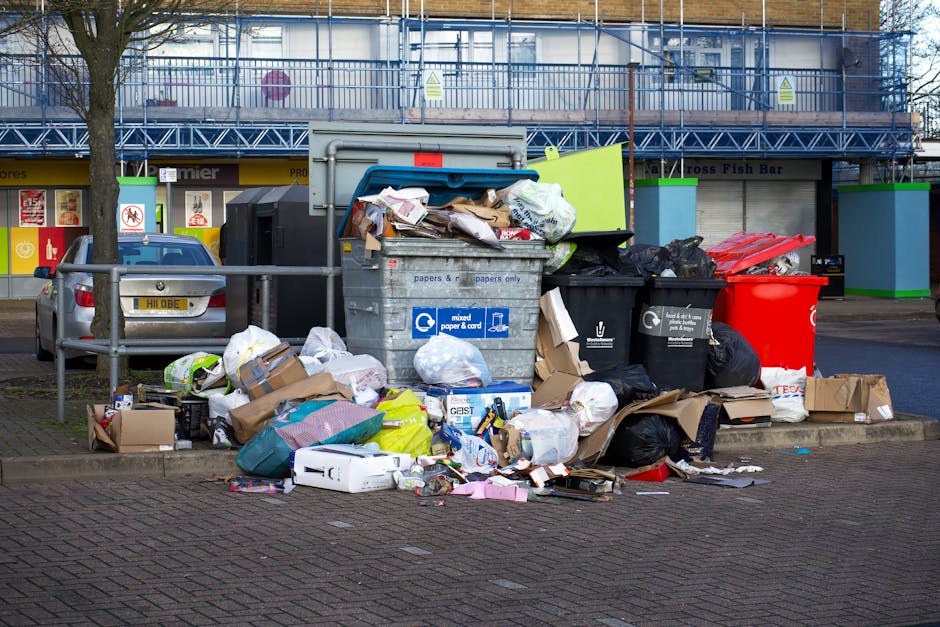
The most common mistake is underestimating the job. People often think, "It's just a few bags and a chair." Then they start lifting, sorting, and trying to fit everything into a small car. By the end, the day is gone and the rubbish is still there.
Other mistakes are less obvious but just as annoying:
- Choosing a service without checking compliance. If waste is fly-tipped by an unlicensed operator, the legal and practical fallout can land back on the original waste holder in some circumstances.
- Not clarifying what the quote includes. Some services include labour and disposal; others may charge extra for certain item types or access issues.
- Mixing prohibited items into a general load. This can delay collection or create unsafe handling issues.
- Leaving the booking too late. If you need a clear-out before a move, tenancy handover, or property sale, a last-minute scramble is stressful.
- Assuming all clearance is the same. Builders' waste, household clutter, garden debris, and commercial waste can each need a different approach.
If you are dealing with a larger clearance after downsizing, bereavement, or a long-term tenancy, a structured service such as house clearance in Hounslow can be far more appropriate than a one-off man-and-van arrangement.
Tools, Resources and Recommendations
You do not need a toolkit the size of a builder's van to manage rubbish clearance well. What you do need is a few sensible resources and a clear plan. Simple wins here.
| Need | Useful approach | Why it helps |
|---|---|---|
| General household clutter | Domestic clearance or mixed-load removal | Keeps sorting straightforward and reduces time on site |
| Bulky furniture | Specialist furniture removal | Safer lifting and easier transport for awkward items |
| Old appliances | Dedicated appliance disposal | Better handling of heavy electrical items and recycling pathways |
| Construction debris | Builders' waste clearance | Suitable for rubble, timber, plasterboard, and renovation debris |
| Outdoor waste | Garden waste service | Helps keep organic waste separate and manageable |
For residents who like to compare service types before booking, the builders' waste removal page and garden waste removal page are practical companions to this guide.
You may also find the company's about us page helpful if you want a better sense of the people behind the service, and the payment and security page is worth checking if you prefer to know how bookings are handled before you commit.
Law, Compliance, Standards and Best Practice
Any rubbish removal service should take compliance seriously. In the UK, waste must be managed responsibly, and residents should be cautious about handing waste to anyone who cannot show they are legitimate. That does not mean you need to become a legal expert. It does mean asking one or two sensible questions before booking.
Best practice usually includes:
- using a properly registered waste carrier where required
- transporting waste to appropriate facilities
- separating recyclable materials where practical
- handling waste safely to reduce risk to people and property
- being clear about exclusions and special handling needs
If a company is open about its compliance arrangements, that is a good sign. The page on waste carrier licence and compliance gives a helpful benchmark for what you should expect from a responsible provider. And if you care about ethical and responsible operations more broadly, the modern slavery statement also sits within the trust-building information set.
There is also a small but important practical point: do not assume a cheaper, unofficial collection is fine just because the waste is gone from your front step. If the person collecting it cannot explain where it will go, that is a red flag. Simple as that.
Options, Methods, or Comparison Table
Different rubbish clearance options suit different jobs. The "best" method depends on quantity, item type, access, and how much work you want to do yourself. Here is a useful comparison for High Street residents.
| Method | Best for | Pros | Watch-outs |
|---|---|---|---|
| DIY tip run | Small loads, flexible schedules | Can suit very small jobs if you already have transport | Time-consuming, lifting involved, parking and loading hassle |
| Skip hire | Longer projects, renovation waste | Useful for ongoing clear-outs | Needs space, permits may be needed, items stay on site |
| Man-and-van clearance | Mixed household waste, bulky items | Flexible, quick, labour included in many cases | Check what is included and whether licensing is in place |
| Specialist clearance service | House clearance, builders' debris, appliances | Better for complex or heavier jobs | May cost more, but often saves time and stress |
For most residents near Hounslow High Street, a professional clearance service is the most balanced choice. It keeps the job simple, avoids awkward lifting, and reduces the risk of making a small problem into a big one. Which, let's be honest, happens more often than we'd like.
Case Study or Real-World Example
Here is a typical local scenario. A resident in a flat near Hounslow High Street has just finished a room refresh. There is a broken wardrobe, an old mattress, two office chairs, a boxed-up microwave, several black bags of general clutter, and a pile of mixed packaging from a recent delivery spree. Nothing unusual. Nothing dramatic. Just enough to take over the room.
At first, they consider doing it themselves. But then they look at the stairs, realise the wardrobe is heavier than expected, and remember the car boot is not nearly as generous as they had hoped. After that, the sensible route becomes obvious. A professional clearance company is contacted with photos and a rough item list. The team arrives with the right lifting equipment, removes the items in one visit, and leaves the room ready to clean and use again.
What made the difference? Three things:
- the items were grouped clearly before collection
- access details were explained properly in advance
- the resident chose a service suited to bulky mixed waste rather than forcing a DIY solution
This kind of job is common around the High Street, especially where flats, shared entrances, and tight parking make self-clearance a hassle. Small job on paper. Big relief in real life.
Practical Checklist
Use this checklist before you book rubbish clearance in Hounslow High Street:
- List every item or waste type you want removed
- Take clear photos from different angles
- Check whether items are furniture, appliances, builders' waste, garden waste, or mixed rubbish
- Measure any awkwardly sized items if needed
- Note stairs, lifts, parking, and entry restrictions
- Ask whether the quote includes loading, labour, and disposal
- Confirm how recycling and disposal are handled
- Check licensing and insurance information
- Set aside anything you want to keep before the team arrives
- Make sure the path to the items is clear and safe
If you are clearing a property for a move, sale, or tenant handover, it can also help to read some background on the local area. The article on is Hounslow a good place to call home gives a nice broader picture of what makes the area feel lived in and connected. And if you are thinking about the housing market itself, the guide to buying homes in Hounslow may be helpful context.
Conclusion
Rubbish clearance around Hounslow High Street does not need to be complicated. The key is choosing the right approach for the type of waste, the access at your property, and the level of help you actually need. Once you look at it that way, the process becomes much more manageable.
For many residents, the biggest benefits are not just speed or convenience. It is the sense of getting the space back. The spare room opens up. The hallway feels calmer. The load lifts a bit, literally and mentally. And that counts.
If you want a smoother experience, work with a provider that is clear about pricing, safety, compliance, and recycling. Ask questions early. Share photos. Be honest about access. That little bit of planning can save a lot of irritation later.
Get a free quote today and see how much you can save.
And if you are still deciding, take your time. A good clearance choice should feel reassuring, not rushed. The right help makes a busy week feel lighter, and sometimes that is exactly what you need.