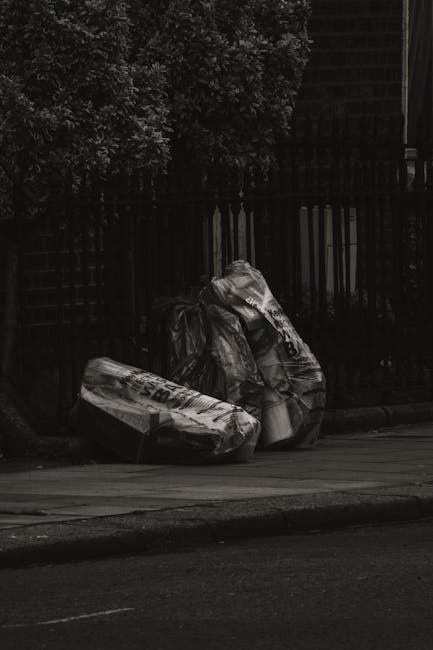
Avoid common rubbish removal mistakes in Hounslow flats
Posted on 18/08/2026
If you live in a Hounslow flat, rubbish removal can go sideways fast. A hallway that looks fine in the morning can feel like a bottleneck by lunchtime. A missed lift booking, one overfilled bag, or the wrong type of waste in a communal bin area, and suddenly you're dealing with complaints, extra charges, or a very awkward note from the managing agent. This guide will help you avoid common rubbish removal mistakes in Hounslow flats with clear, local, practical advice you can actually use.
Whether you're clearing out after a move, replacing old furniture, or just trying to get rid of the stuff that quietly piles up in cupboards, the aim is the same: remove waste safely, legally, and without annoying your neighbours. Let's keep it simple, but not simplistic.

Why Avoid common rubbish removal mistakes in Hounslow flats Matters
Flat living changes the rules. In a house, you can often wheel bags straight out and deal with a bit of mess later. In a flat, every movement tends to affect someone else: neighbours, concierges, parking restrictions, lift schedules, access codes, and shared corridors that need to stay clear. That means a rubbish job that seems quick on paper can become much more complicated in practice.
The biggest reason this matters is friction. Poor planning creates friction with building management, friction with neighbours, and friction with your own schedule. If you've ever stood in a narrow lobby with a wardrobe half out the door while somebody needs the lift, you'll know the feeling. Not ideal.
It also matters because waste removal in flats often involves more than just taking things away. You may need to separate reusable items, handle bulky furniture carefully, think about appliance disposal, and choose a service that can deal with domestic waste properly. If the job is rushed, waste can end up left in communal areas, and that's when a small clear-out starts looking untidy and unprofessional.
For many residents, a good starting point is understanding the difference between general collection, bulky waste, and specialist disposal. If you want to see how local services are normally structured, the services overview page is a useful place to orient yourself before you book anything.
Expert summary: the cleanest flat clear-outs are rarely the fastest on the day. They're the ones that were prepared well the day before.
How Avoid common rubbish removal mistakes in Hounslow flats Works
In practice, a smooth flat clearance usually follows a simple pattern: identify the waste, decide what needs special handling, check building access, book the right collection method, and clear everything in one controlled run. Sounds obvious. Yet people still skip steps, usually because they're trying to save time.
The most important thing is to match the removal method to the waste stream. A few bin bags of mixed household waste are not the same as a cracked wardrobe, a broken washing machine, or leftover rubble from a refurbishment. If you treat all waste as if it's one category, you can end up with access problems, disposal issues, or a bill that is higher than expected.
That's where a little planning goes a long way. For example, if you're replacing a sofa, a mattress, and a small fridge in a one-bed flat, you may need a different approach from someone disposing of post-renovation debris. The right method could involve a combined domestic collection, furniture removal, or specialist appliance disposal. If your flat is part of a managed block, it's also wise to check any house rules before moving a single item.
Some residents prefer to split a clearance into stages. That can work, but only if you're organised. Otherwise, you just create two jobs instead of one. Be honest with yourself here: are you actually making the job easier, or just postponing the hard part?
Key Benefits and Practical Advantages
Doing rubbish removal properly in a Hounslow flat gives you more than a clean room. It gives you breathing space, and in flat living, that matters. The less clutter you have in a hallway, storage cupboard, or balcony corner, the easier it is to move around, clean properly, and make the home feel calm again.
There are also practical benefits that show up quickly:
- Less disruption: fewer trips through shared areas, fewer complaints, less awkwardness.
- Lower risk of damage: doors, lifts, walls, and flooring are less likely to get knocked or scraped.
- Better timing: the job is more likely to be finished in one visit rather than dragged out.
- Cleaner compliance: waste is more likely to be handled in line with accepted disposal practices.
- Better value: careful planning usually reduces the chance of surprise costs.
There's another advantage people overlook: peace of mind. If you know the waste has been handled by a suitable provider and you've kept everything tidy in the process, you can stop worrying about what happens next. That relief is worth something, especially during a move or post-tenancy clean-up.
And to be fair, that calm feeling is often the difference between a flat that feels "temporarily chaotic" and one that feels under control again.
Who This Is For and When It Makes Sense
This advice is for anyone living in a flat, apartment, or maisonette in Hounslow who needs rubbish removed without creating unnecessary hassle. It's especially relevant if you're in a managed block, a converted building, or a property with tight access and shared common areas.
It makes sense if you are:
- moving out and need to clear leftover items
- replacing furniture or white goods
- doing a deep declutter after years of accumulated stuff
- preparing a rental property for new tenants
- helping a relative downsize from a flat
- sorting waste after light refurbishment or decorating work
It also makes sense if you're the sort of person who wants the job done once, properly, and without three extra phone calls. Truth be told, that's most people.
If you're a landlord, letting agent, or property manager, the same advice applies, only more so. A rushed clearance can leave bins overflowing, corridors blocked, and the next resident starting off with a bad impression. For larger or repeated jobs, it can help to understand the wider options available through domestic waste collection in Hounslow or more comprehensive house clearance support when a property needs a fuller reset.
Step-by-Step Guidance
Here's a practical way to handle flat rubbish removal without making a mess of it.
- Sort the waste first. Separate general rubbish, furniture, electrical items, recyclable materials, and anything that needs special handling. Mixed piles always slow people down.
- Measure the big items. Wardrobes, mattresses, fridge-freezers, and sofas are the usual troublemakers. Check door widths, stair turns, lift size, and any awkward angles in the hallway.
- Check the building rules. Some blocks have booked lift slots, loading bays, porter requirements, or instructions about where waste can be left. Don't assume it's fine.
- Decide what needs professional removal. Small black bags may be manageable, but bulky furniture, appliances, and renovation waste are often better handled professionally.
- Get an accurate quote. Be clear about quantity, access, floor level, and item type. If you under-describe the job, you may under-quote it too.
- Prepare the route. Move small items away from the exit path, protect corners if needed, and make sure keys, codes, and parking arrangements are ready.
- Clear in one controlled session. Avoid dragging it out over several days if you can help it. One organised collection is usually far less stressful.
- Confirm what happens afterwards. Ask how the waste will be handled, especially if you're disposing of furniture, appliances, or mixed household items.
If your clearance includes chairs, tables, mattresses, or old wardrobes, a dedicated furniture removal service can be a sensible fit. For fridges, washing machines, or other large appliances, the safer route is usually white goods and appliance disposal.
A quick note that saves headaches: keep a running list of everything going. It sounds dull. It is dull. But it stops the classic "oh, that lamp was meant to go too" moment.
Expert Tips for Better Results
In our experience, the jobs that go best are the ones where the resident thinks like a mover, not just a disposer. That means looking at access, timing, item type, and building etiquette all together.
Here are a few practical tips that make a real difference:
- Book around the building's quiet times. Early mornings can be calmer than late afternoons when lifts and entrances are busier.
- Keep a small buffer for surprises. If an item is heavier than expected or won't clear a doorway easily, you'll be glad you weren't rushing.
- Use proper bags and tape. Flimsy bags split at the worst possible time, usually on a stairwell. Not the moment you want drama.
- Protect shared areas. If the route is tight, simple floor and corner protection can prevent scrapes and complaints.
- Ask about recycling and reuse. A responsible clearance should not treat every item as identical waste.
- Keep documents or confirmation messages. Useful if a landlord, porter, or managing agent later asks who removed what and when.
If you want a better sense of how a reputable operator approaches safety and handling, the page on insurance and safety gives a helpful overview. It's not glamorous reading, but it is reassuring.
And if you're trying to compare providers without guesswork, checking pricing and quotes can help you understand what a clear, transparent booking process should look like.

Common Mistakes to Avoid
This is the heart of the matter. Most problems come from a handful of very common errors, and once you know them, they're easier to dodge.
| Mistake | What it causes | Better approach |
|---|---|---|
| Leaving everything until the last minute | Rushed decisions, missed access windows, extra stress | Sort and plan the day before whenever possible |
| Guessing the volume of waste | Inaccurate quotes or not enough vehicle space | List items properly and send photos if requested |
| Using communal bins for bulky waste | Complaints, blocked bin stores, possible penalties | Arrange suitable bulky removal instead |
| Ignoring building rules | Failed access, awkward disputes, delays | Check with management before moving items out |
| Mixing restricted items with general rubbish | Sorting problems and disposal complications | Separate appliances, furniture, and special items |
| Choosing a provider only by price | Hidden fees or poor handling | Compare service clarity, not just the headline price |
One of the most expensive mistakes is assuming "cheap" means "simple". It often doesn't. A low quote can be fair, but if it's vague, rushed, or missing access details, you may get stung later. A clear read on local pricing is worth your time, especially if you've been comparing offers and wondering what is normal. The article on Hounslow rubbish removal pricing is useful background if you want to make a sensible comparison.
Also, be wary of the "I'll just leave it by the bins" strategy. It feels convenient. It usually ends badly.
Tools, Resources and Recommendations
You do not need fancy equipment for a flat clearance, but a few basic tools make the job much easier.
- Strong bin bags: useful for general household waste and smaller soft items.
- Labels or masking tape: good for marking what stays, what goes, and what needs special handling.
- Gloves: sensible for dusty cupboards, old storage boxes, and awkward loft-style corners.
- Measuring tape: essential if you're moving furniture through narrow access.
- Photos on your phone: handy for getting accurate quotes and showing tricky access points.
- Basic cleaning supplies: useful once the waste is gone and you want to reset the space properly.
For residents who are trying to understand how a clearance fits into a broader building or moving plan, related reading can help. If you are settling into a new place, the local perspective in is Hounslow a good place to call home can be a nice companion piece. If you're moving items as part of a bigger life change, preparing your house for an international relocation may also give useful context, even if your move is only across town.
A practical recommendation: keep one folder on your phone with photos, measurements, and booking confirmations. It sounds almost too organised, but it saves time when somebody asks, "Which fridge was it again?"
Law, Compliance, Standards, or Best Practice
Rubbish removal in flats is not just a convenience issue. There is a compliance side too, and it matters even if you're only getting rid of a few bulky items. As a resident, you're expected to dispose of waste responsibly and use suitable channels for items that cannot go in ordinary refuse.
In the UK, waste carriers should operate within the normal expectations for lawful waste handling and transport. For everyday homeowners and tenants, the practical point is straightforward: do not hand your rubbish to someone whose handling looks unclear, and do not dump items in shared areas or beside bins unless your building specifically allows it. That kind of shortcut can create problems for everyone.
It is also sensible to check that any contractor you use can explain how waste will be managed. A reputable provider should be able to talk plainly about compliance, transport, insurance, and where different waste types are taken. If you want a deeper sense of what a proper operator should be able to demonstrate, the page on waste carrier licence and compliance is a useful reference point.
For larger clear-outs, building managers may also expect reasonable safeguards around access, communal cleanliness, and safe lifting. That's not overkill. It's just flat-life common sense. The same goes for waste sorting: recyclable items, appliances, furniture, and mixed household rubbish should not all be treated as one anonymous heap.
Options, Methods, or Comparison Table
There are usually three sensible ways to clear rubbish from a Hounslow flat. Which one fits best depends on the amount, type, and urgency of the waste.
| Method | Best for | Pros | Limitations |
|---|---|---|---|
| Self-clearance | Small, light, manageable loads | Can be cheap and flexible | Time-consuming, awkward for bulky items, more physical effort |
| Scheduled bulky collection | Specific items that can be removed in a planned way | Good for predictable jobs and careful planning | Less flexible on timing and item types |
| Professional rubbish removal | Mixed waste, furniture, appliances, or awkward access | Fast, efficient, less disruption, usually best for flats | Usually costs more than doing it yourself |
If your job involves mixed household clutter and you want one visit to solve it, professional removal often makes the most sense. If you only have a few bags and no bulky items, self-clearance may be enough. The trick is being honest about the amount of work involved. People often underestimate that part.
For building-specific situations, such as pre-move emptying or a flat that needs a full reset, a broader house clearance style approach can be better than piecemeal trips.
Case Study or Real-World Example
Here's a realistic example from a typical Hounslow flat scenario, without dressing it up.
A tenant in a two-bedroom flat had to clear out before the end of the tenancy. There was a sofa, a broken bedside cabinet, several bags of mixed items, and an old washing machine. They first planned to leave a few things by the communal bins and "deal with the rest later". A neighbour spotted the pile, and the building's noticeboard reminded everyone that bulky waste was not to be left in shared spaces. That was the first warning sign.
Instead of forcing a rushed weekend job, the tenant measured the items, took photos, checked the lift size, and booked a removal slot that suited the building's quieter period. The appliance was handled separately, the furniture was moved out carefully, and the smaller waste was cleared in one go. The flat was left empty, the hallway stayed clear, and there were no awkward messages from the management company. Small victory, but a very real one.
What made the difference? Not luck. Just planning, and not assuming the job would somehow sort itself out by Tuesday morning.
If you want a fuller local example of how a flat clearance can be managed from start to finish, the flat clearance before and after Hounslow West case study is a useful companion read.
Practical Checklist
Use this checklist before your next flat clearance:
- Sort waste into general rubbish, furniture, appliances, and anything delicate or restricted
- Measure large items and check doorways, stair turns, and lift space
- Read your building's rules for access, loading, and communal areas
- Decide whether the job is small enough for self-clearance or better handled professionally
- Take photos if you need a quote
- Confirm timing so you do not clash with neighbours or building restrictions
- Keep corridors, exits, and shared spaces clear
- Ask how bulky items and appliances will be handled
- Save booking details and confirmation messages
- Do a final sweep for forgotten items like chargers, lamps, or shelf fittings
That last point catches more people than you'd think. A flat can look finished, then suddenly there's a bag of cables in the corner and one umbrella hiding behind the door. Happens all the time.
Conclusion
To avoid common rubbish removal mistakes in Hounslow flats, keep your process calm, organised, and realistic. Sort the waste properly, check access, respect building rules, and choose the right disposal method for the job. Those simple habits prevent most of the stress people associate with flat clearances.
The big win is not just getting rid of clutter. It's making the whole process feel manageable, even if you're dealing with a busy block, a tight staircase, or a long-overdue clear-out. And once it's done, the space feels lighter in a way that's hard to describe but easy to notice. Cleaner air, clearer floors, less noise in your head. Honestly, that matters.
If you want help planning a flat clearance properly, start with the right information and take it one step at a time.
Get a free quote today and see how much you can save.